
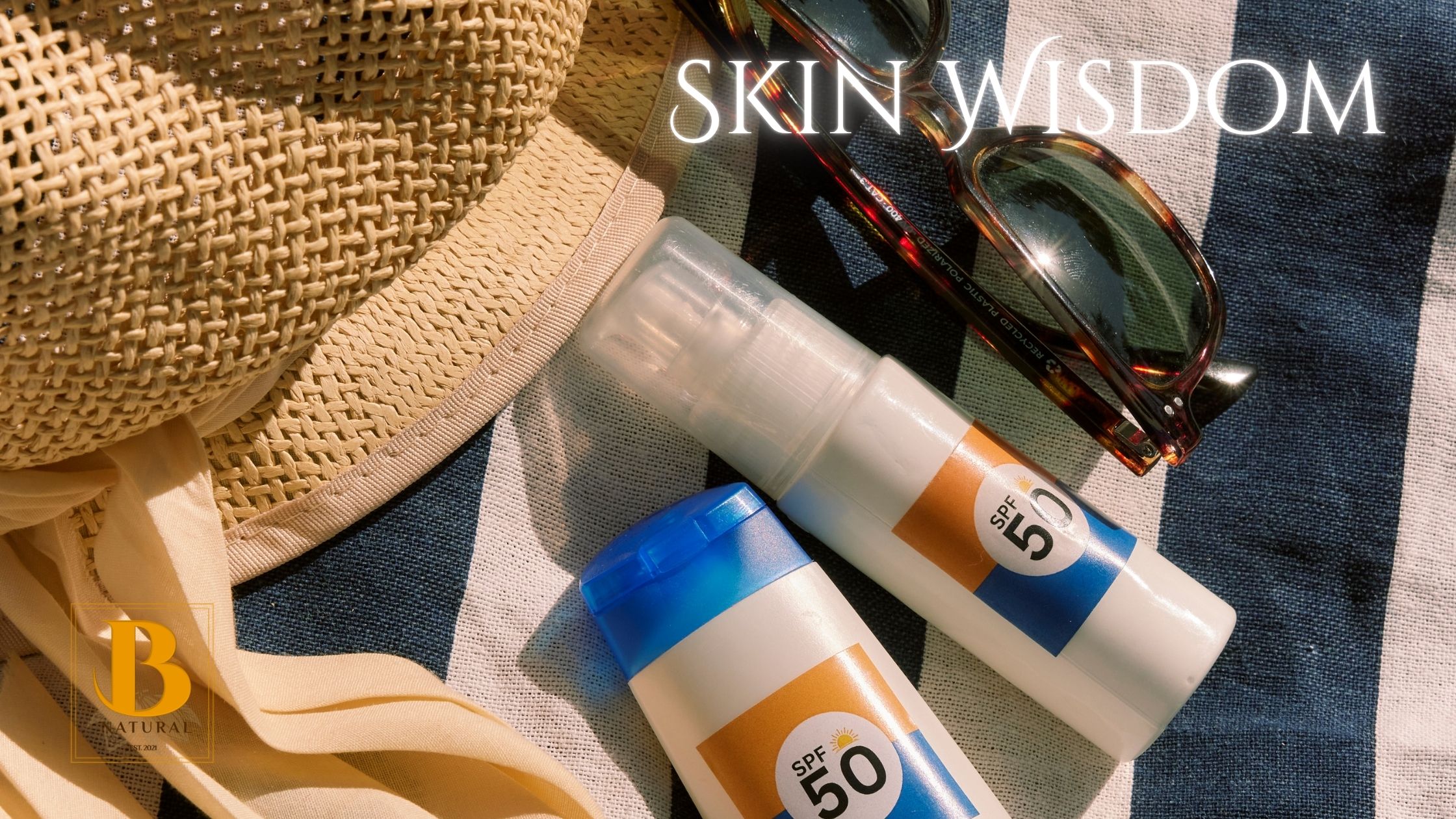
Q: I never burn – do I still need sunscreen?
A: Yes. All skin tones can suffer UV damage. Darker skin can still get sunburned, and more importantly, UV/UVA can cause premature aging and dark spots.
Q: What SPF should I use?
A: Dermatologists recommend SPF 30 or higher with broad-spectrum (UVA+UVB) protection. Even if your skin is oily or dark, SPF 30 blocks ~97% of UVB rays. Higher SPFs give a bit more, but only if you use enough and reapply.
Q: How often do I need to reapply sunscreen?
A: Generally every 2 hours when outdoors. If you’re swimming or sweating, reapply right after toweling off. Use about a shot-glass worth (1 oz.) for your body each application.
Q: Mineral or chemical sunscreen – what’s better?
A: Both can work. Mineral (zinc/titanium) sunscreens are less irritating but can leave a white cast – tinted versions solve this and also block visible light. Chemical sunscreens absorb UV rays and often feel invisible. Choose whichever you’ll wear consistently; broad-spectrum SPF 30+ is key.
Q: Any tips to remember daily sunscreen?
A: Make it part of your AM routine: e.g. after moisturizer or before makeup. Keep sunscreen near your toothbrush or makeup products. Set a phone reminder. Even brief outdoor steps – walking the dog, driving – can add UV exposure, so daily use is ideal.
Sources & Further Reading
American Academy of Dermatology — Sunscreen FAQs & Skin Protection Tips
https://www.aad.org/media/stats-sunscreen
Skin Cancer Foundation — Does Dark Skin Need Sunscreen?
https://www.skincancer.org/skin-cancer-information/skin-cancer-skin-of-color/
Cleveland Clinic — Why People of Color Still Need Sunscreen
https://health.clevelandclinic.org/why-people-of-color-still-need-sunscreen/
Harvard Health Publishing — Sun Damage and Your Skin
https://www.health.harvard.edu/staying-healthy/sun-damage-and-your-skin
American Academy of Dermatology — How to Treat Dark Spots and Hyperpigmentation
https://www.aad.org/public/diseases/a-z/hyperpigmentation-overview
Mayo Clinic — Sun Damage: Signs and Prevention
https://www.mayoclinic.org/healthy-lifestyle/adult-health/in-depth/sunscreen/art-20045110
You might also like

Choosing the Right Soap for Your Skin Type (Without Guesswork)
Hey B Natural Family , I’m learning every day that healthy skin starts with understanding, not overwhelm. Skincare advice can feel overwhelming — too many steps, too many ingredients, too many opinions. But caring for your skin doesn’t have to be complicated. In fact, the most effective routines often begin with a simple question: What […]

How to Beat Humidity Skincare Struggles
Hey B Natural Family! Let’s be real, living on an island is a blessing, but our skin doesn’t always agree. The sun is strong, the humidity is high, and before you know it, you’re glowing in all the wrong ways. For me, the biggest struggles are oily shine, sunburn, and those stubborn dark spots that […]